Understanding the Secret Functions of Pipeline Solutions and Their Influence on Effectiveness
Pipeline services play a vital duty in various industries, influencing operational efficiency markedly. Secret attributes, such as sophisticated tracking technologies and maintenance techniques, are essential for reducing downtime. Additionally, regulatory conformity warranties safety and security and environmental management. The interaction in between style, framework, and economic variables can complicate these procedures. Comprehending exactly how these elements influence general effectiveness increases crucial questions regarding best practices and future growths in the field.
The Function of Innovation in Pipeline Tracking
As innovations in technology continue to advance, the relevance of reliable pipe tracking has become progressively obvious. Modern pipeline systems count on advanced tracking tools that improve operational efficiency and safety and security. Technologies such as real-time data analytics, sensors, and drones give operators with immediate understandings into pipe problems, allowing them to identify leaks, deterioration, and other prospective concerns before they rise right into substantial issues.
Additionally, the assimilation of Internet of Things (IoT) gadgets has actually transformed conventional monitoring techniques, permitting for constant monitoring and automated reporting. This proactive approach not only minimizes threats yet also maximizes maintenance schedules and resource allocation. Furthermore, advanced software program systems assist in information visualization and analysis, equipping decision-makers to react swiftly to anomalies. Collectively, these technological innovations not just boost pipeline integrity but likewise foster environmental stewardship by alleviating the prospective influence of leakages and spills.
Maintenance Techniques for Improved Effectiveness
Reliable upkeep approaches are vital for maximizing pipeline efficiency. Implementing anticipating maintenance techniques, adhering to routine evaluation procedures, and developing durable emergency reaction plans can greatly enhance functional integrity. These techniques not only decrease downtime but additionally add to the total safety and security and stability of pipeline systems.
Anticipating Maintenance Strategies
Anticipating maintenance techniques are significantly recognized for their ability to boost operational performance in pipe solutions. By leveraging information analytics and monitoring modern technologies, these techniques make it possible for operators to expect equipment failings prior to they take place. This positive method minimizes unexpected downtime, decreases upkeep costs, and prolongs the life expectancy of vital properties. Sensing units and IoT gadgets play a critical function in accumulating real-time information, permitting the evaluation of equipment health and wellness and performance trends. Artificial intelligence formulas analyze this information to recognize patterns and anticipate potential concerns. Subsequently, pipe drivers can schedule maintenance activities throughout non-peak times, optimizing resource allowance and making certain continual operation. Ultimately, the fostering of predictive upkeep fosters a much more trusted and efficient pipeline framework.
Regular Inspection Protocols
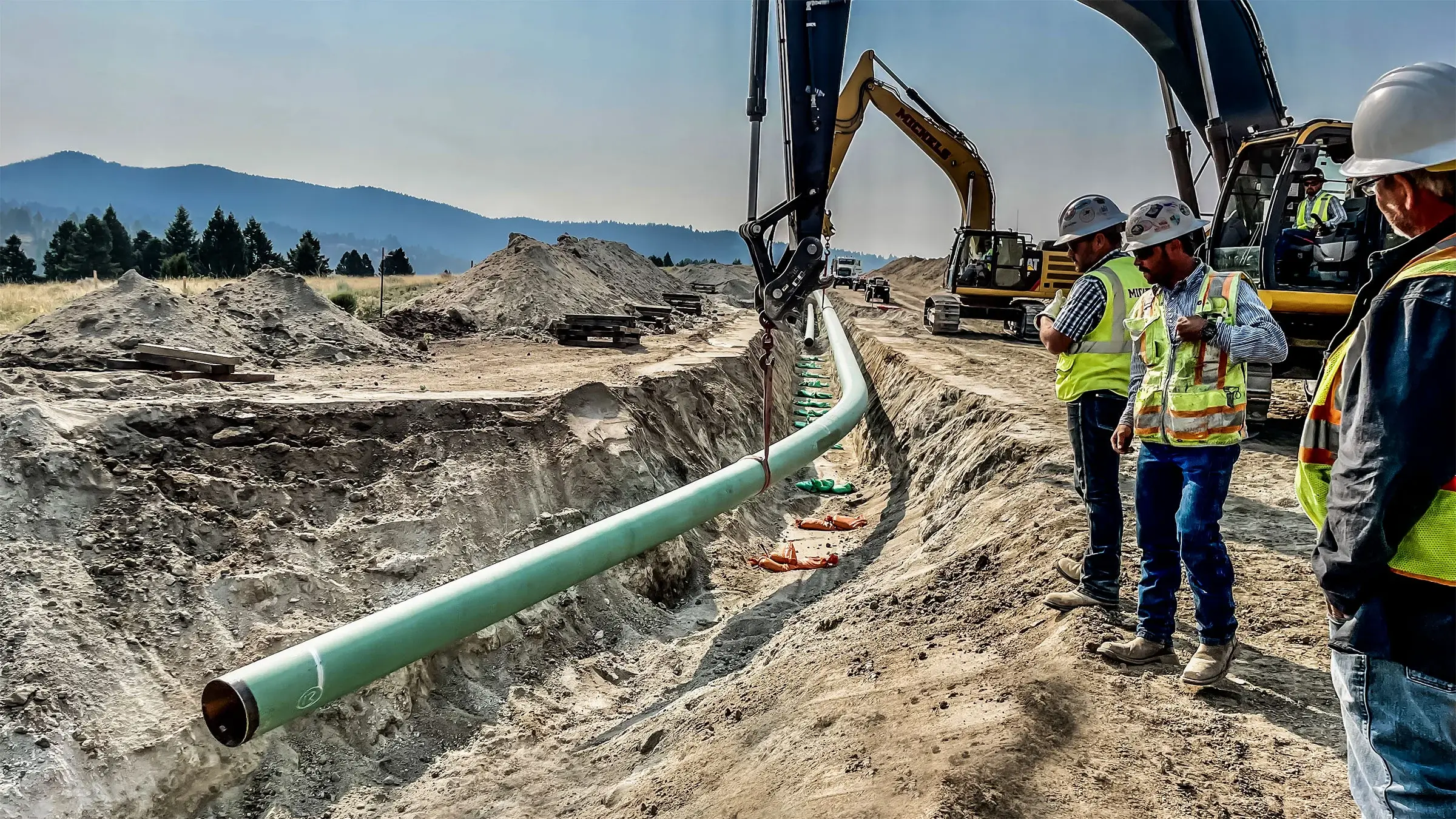
Regular assessment protocols work as a keystone of maintenance strategies targeted at boosting performance in pipe procedures - Creek Pipe local contractor. These protocols include organized analyses of pipeline integrity, concentrating on discovering possible issues before they escalate. Regular inspections generally include aesthetic evaluations, leakage detection technologies, and pressure tracking to ensure peak performance. By adhering to recognized routines, operators can identify corrosion, product wear, or blockage, therefore lessening downtime and fixing prices. Furthermore, information collected during examinations can educate anticipating maintenance efforts, permitting a positive approach to pipeline monitoring. Ultimately, regular evaluations not just extend the life expectancy of pipeline infrastructure but additionally add to more secure and more reliable transport of resources, strengthening total operational performance
Emergency Feedback Planning
Emergency situation reaction planning is essential for keeping performance in pipe operations, making certain that operators are prepared to attend to unpredicted cases promptly and properly. A well-structured emergency situation feedback plan consists of clear procedures, assigned functions, and communication techniques to reduce threats associated with pipeline failures. Routine drills and training improve team readiness and familiarize personnel with emergency situation treatments. Additionally, having conveniently available sources, such as spill containment devices and emergency situation get in touch with listings, can substantially reduce reaction times. By incorporating real-time monitoring technologies, drivers can promptly identify and react to issues, reducing environmental effect and functional downtime. Ultimately, an extensive emergency situation feedback plan not only safeguards assets and workers but additionally strengthens the total performance of pipe solutions.
Regulatory Compliance and Safety Criteria
Regulative conformity and security standards play an essential role in the pipeline solutions market. Creek Pipe local contractor. Following market regulations ensures that firms execute reliable safety procedures and take the chance of administration strategies. This commitment not just protects personnel and the atmosphere however also enhances total operational performance
Conformity With Industry Laws
Compliance with market laws is crucial for making sure the safety and efficiency of pipeline operations. Regulatory structures, such as those established by the Environmental Defense Company (EPA) and the Pipeline and Hazardous Materials Safety And Security Management (PHMSA), established rigorous criteria that drivers should comply with. These laws cover different facets, consisting of pipeline layout, building and construction, upkeep, and tracking, guaranteeing that systems run safely and properly. Non-compliance can cause severe penalties, operational delays, and environmental dangers. By sticking to these regulations, pipe firms not only protect public security and the setting but also enhance their operational effectiveness. Inevitably, governing compliance promotes trust amongst stakeholders, making sure that pipeline solutions can operate effortlessly in an affordable landscape while fulfilling legal responsibilities.
Security Protocol Execution
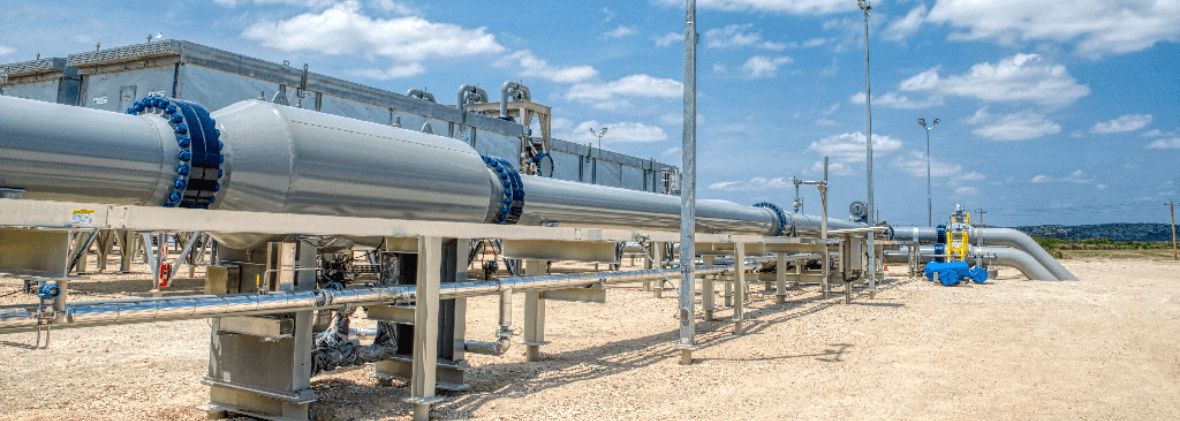
Reliable security protocol application is a vital component of pipeline operations, carefully linked to regulative conformity and safety standards. Abiding by these methods not just guarantees the security of personnel yet also safeguards the environment and framework. A durable safety and security framework consists of regular training, comprehensive evaluations, and the usage of appropriate safety and security devices. Organizations has to continue to be vigilant in updating their protocols to reflect changes in policies and technical improvements. Compliance with well-known safety and security requirements reduces the danger of accidents and improves functional efficiency. Furthermore, a culture of security fosters staff member engagement and liability, adding to overall organizational success. Eventually, effective safety method application is critical in maintaining the honesty of pipe services and achieving lasting sustainability in procedures.
Risk Administration Strategies
Applying robust risk monitoring strategies is essential for ensuring that pipeline operations stick to important source regulatory demands and safety requirements. Organizations needs to identify prospective hazards and evaluate threats related to pipeline tasks. This entails carrying out thorough examinations, utilizing innovative monitoring modern technologies, and keeping conformity with sector laws. Normal training for workers on safety protocols boosts situational understanding and prepares groups to respond successfully to emergencies. Furthermore, establishing backup strategies and carrying out drills can significantly alleviate risks. Teaming up with regulative bodies guarantees positioning with advancing safety and security standards. By focusing on threat monitoring, pipe solutions can boost functional effectiveness while protecting both the environment and public safety. Eventually, a proactive method to run the risk of administration cultivates a society of safety within the sector.
Pipeline Style and Facilities Considerations
Just how can the design and facilities of pipes influence general functional effectiveness? The setup of pipes plays a vital duty in determining their effectiveness. Reliable layout minimizes rubbing losses, hence lowering energy intake during fluid transport. Elements such as size, product option, and design straight impact flow prices and upkeep demands.
Additionally, tactical positioning of valves and checking systems enhances functional control and safety. Creek Pipe local contractor. Framework considerations, including access for repair and maintenance, significantly influence downtime and general productivity
Incorporating sophisticated technology for real-time monitoring helps with prompt discovery of leakages or inefficiencies, making sure quick feedbacks to concerns. The total structural honesty, affected by product durability and ecological variables, likewise forms long-lasting functional success. As a result, thoughtful style and durable facilities are important for maximizing pipe performance, inevitably adding to the integrity and productivity of pipeline services.
Environmental Influence and Sustainability Practices
While the need for pipe solutions remains to grow, understanding the environmental influence and taking on sustainability techniques has actually come to be significantly important. The construction and operation of pipes can notably influence ecological communities, wild animals environments, and water sources. To minimize these influences, companies are carrying out innovative modern technologies and practices targeted at lowering discharges, protecting against spills, and decreasing land disruption.
Sustainability campaigns often include using eco-friendly products, improving power performance, and employing renewable resource resources to power operations. Additionally, business are increasingly carrying out extensive environmental analyses prior to job initiation, making sure conformity with guidelines and stakeholder involvement.
Cost Monitoring and Financial Aspects in Pipeline Providers
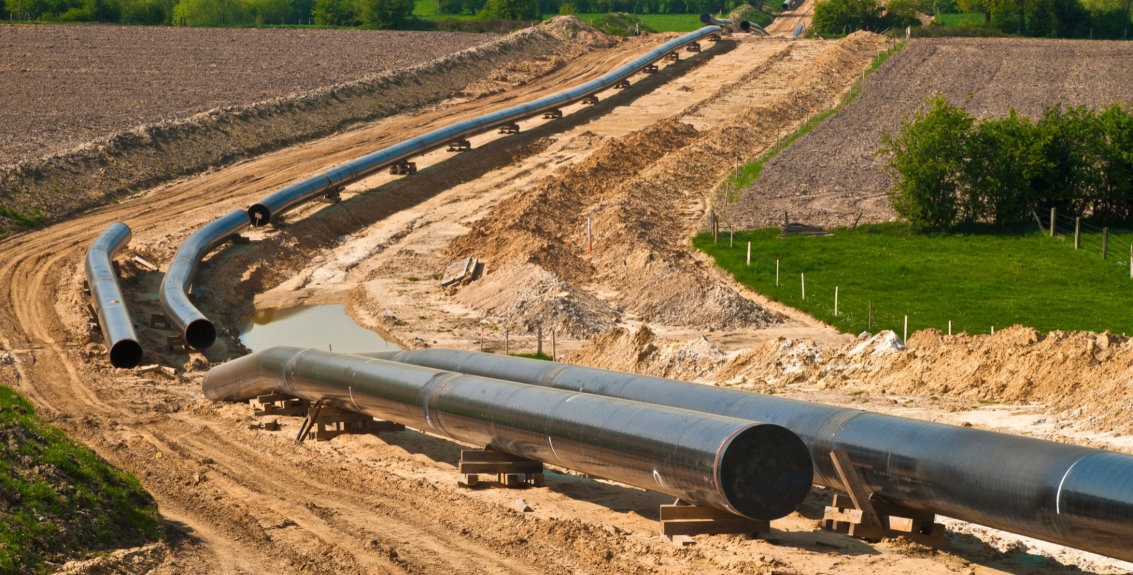
As the pipe industry grows, reliable price administration and recognizing economic elements become important for maintaining competitiveness. Firms encounter various financial pressures, including fluctuating product prices, labor expenditures, and regulatory conformity fees. To navigate these challenges, pipeline company need to take on calculated monetary planning and budgeting practices.
Purchasing innovation can improve functional effectiveness, inevitably reducing costs over time. Additionally, reliable task monitoring guarantees that sources are allocated effectively, decreasing delays and unexpected expenditures.

Market problems, such as demand for energy and geopolitical aspects, additionally affect economic practicality. Firms have to remain nimble, adjusting their methods in action to these exterior aspects.
Regularly Asked Questions
What Are the Various Sorts Of Pipeline Solutions Available?
Numerous sorts of pipeline solutions consist of transport, storage space, upkeep, examination, and repair. check over here Each service plays an important role in making certain the smooth movement of products, improving security, and decreasing operational interruptions across various industries.
How Often Should Pipeline Inspections Be Carried Out?
Pipeline examinations should be carried out frequently, normally every one to 3 years, depending on the type and problem of the pipeline. Extra constant assessments might be essential for older or risky pipelines to assure safety and stability.
What Are the Main Causes of Pipeline Failings?
The primary sources of pipeline failures include corrosion, faulty construction, material flaws, exterior damage, leaks, and functional errors. Each aspect adds considerably to potential risks, highlighting the relevance of normal maintenance and monitoring for safety and security.
Just How Can Firms Boost Pipeline Solution Reliability?
Business can boost pipeline solution reliability by executing normal upkeep routines, making use of sophisticated monitoring modern technologies, performing extensive evaluations, buying worker training, and adopting aggressive threat management methods to expect and mitigate prospective failings.
What Function Do Operators Play in Pipeline Services?
Operators play a vital function in pipeline solutions by ensuring risk-free transport, keeping devices, keeping an eye on system integrity, coordinating upkeep, and reacting to emergencies. Their knowledge directly influences functional efficiency and lessens disruptions in solution delivery.